
News & Stories
Fuel Market Volatility: How Businesses Can Reduce Their Exposure to Rising Freight Costs
March 2026
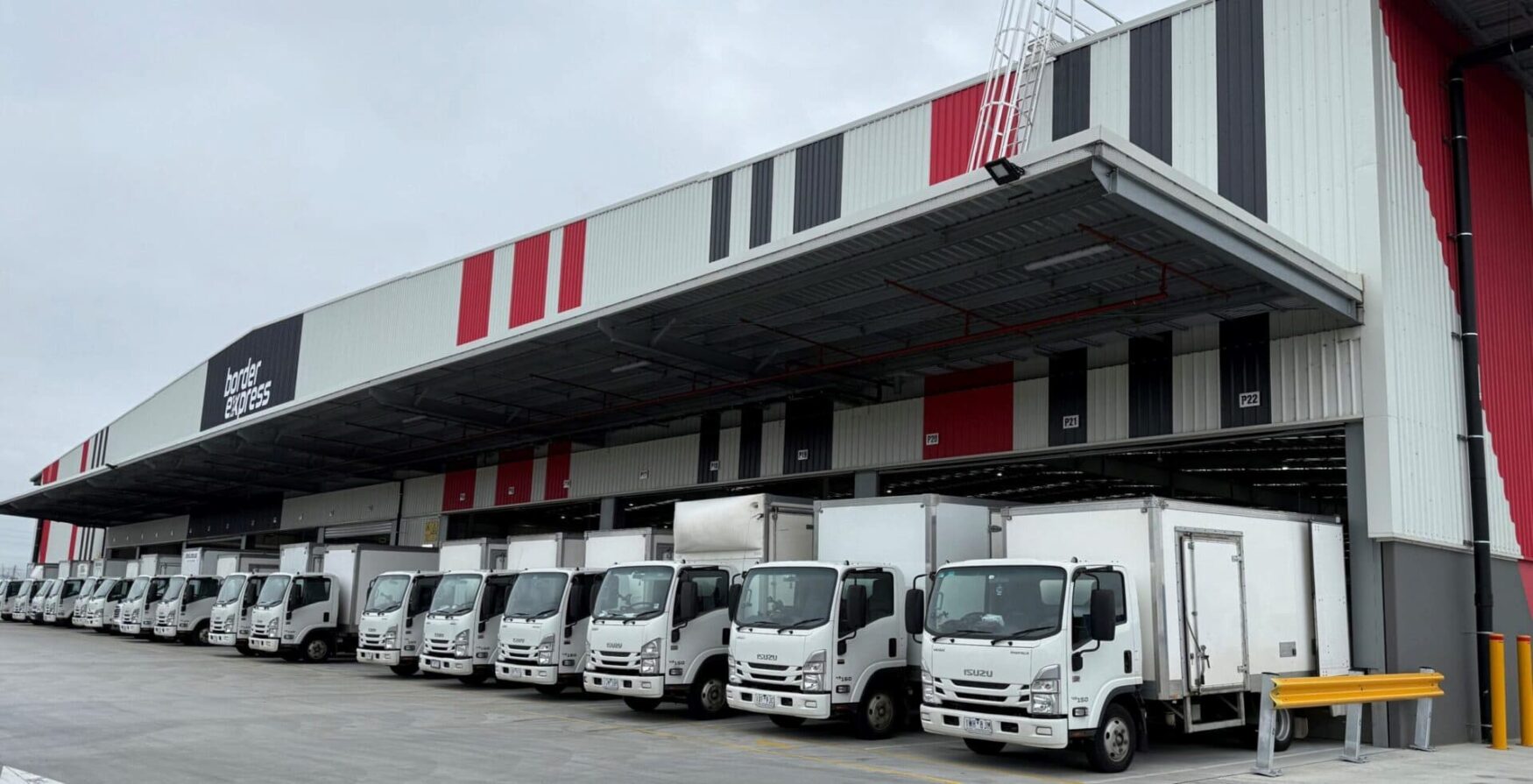
Fuel prices are once again under pressure, with global market conditions pointing to the potential for increases in the near term. For businesses that rely on road freight, this often flows through to fuel surcharge adjustments, making it an important time to review how freight is planned and shipped.
While fuel pricing is largely driven by global factors outside any individual business’s control, there are practical steps companies can take to reduce exposure and improve freight efficiency during periods of volatility.
What’s driving the pressure on fuel prices?
Several global factors are contributing to uncertainty in the oil market.
One of the most significant is the Strait of Hormuz, a narrow shipping corridor in the Middle East through which a large portion of the world’s oil supply moves. Any disruption or instability in this region can quickly affect global crude oil prices.
At the same time, Iran contributes around 3% of global oil production, meaning developments in the region can tighten supply and influence price movements.
Closer to home, the relative strength of the Australian dollar also plays a role. Because oil is traded globally in US dollars, a weaker Australian dollar can increase the cost of imported fuel locally, which in turn impacts diesel prices across Australia.
Together, these factors are creating conditions that may lead to fuel surcharge increases across the freight industry.
What you can do to mitigate freight cost increases
While market conditions cannot be controlled, freight efficiency can. Businesses that review their shipping patterns and work closely with their logistics partners can often reduce the impact of rising fuel costs.
Consolidate shipments
Shipping larger orders less frequently is one of the most effective ways to reduce transport costs. Consolidating orders into fewer consignments improves vehicle utilisation and reduces handling and administrative costs.
Review minimum order quantities – MOQ’s
Establishing minimum order thresholds or pallet quantities can help ensure each shipment moves as efficiently as possible. This reduces the number of consignments required while maintaining supply continuity.
Plan shipments earlier
Improved forecasting and shipment planning allow freight to move through the network more efficiently. Planning reduces the need for urgent movements and enables better load consolidation.
Ensure shipment data is accurate
Accurate weights, dimensions, and product information allow freight to be planned correctly the first time. Clean data, and correct labelling reduces rework, delays and inefficiencies within the network.
Work with your Logistics Partner
Periods of fuel volatility highlight the value of collaboration. Reviewing shipment patterns, order structures and delivery schedules with your logistics provider can uncover opportunities to improve efficiency and reduce cost exposure.
Efficiency is the best defence against volatility
Fuel markets will always fluctuate, and the logistics industry must adapt accordingly. Businesses that focus on consolidation, planning and operational efficiency are best positioned to manage these changes.
By taking a proactive approach and working closely with your logistics partners, companies can keep their supply chains moving reliably and cost-effectively – even when market conditions shift.
We are here to help, connect with us today.